Ebola Outbreak Resurgence Sparks Global Attention Toward the Ebola Virus Vaccine Market
- prasad k
- 5 days ago
- 6 min read

The world is once again turning its attention toward Ebola after fresh outbreaks in Central and East Africa triggered global concern in May 2026. Reports from international health agencies and media outlets indicate that the Democratic Republic of Congo (DRC) and Uganda are facing a rapidly evolving Ebola crisis involving the rare Bundibugyo strain a variant for which there is currently no licensed vaccine.
As governments tighten border controls, health authorities accelerate emergency response efforts, and pharmaceutical organizations rush to advance vaccine candidates, the Ebola virus vaccine market is entering a critical phase of expansion and innovation.
The renewed outbreak has highlighted the urgent need for advanced vaccine technologies, stronger outbreak preparedness, and faster international collaboration. At the same time, it is reshaping investment priorities across the global infectious disease and biodefense sectors.

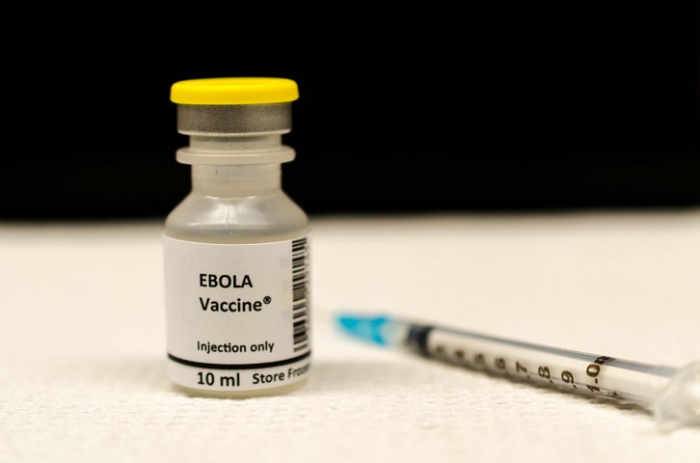
Rising Ebola Cases Create Worldwide Alarm
The latest Ebola outbreak was officially declared by the World Health Organization (WHO) in May 2026 after suspected and confirmed cases surged in the Democratic Republic of Congo and later spread into Uganda. According to WHO reports, the outbreak involves the Bundibugyo virus strain, one of the lesser-known but highly dangerous forms of Ebola virus disease.
Health officials have reported hundreds of suspected infections and rising fatalities, with hospitals in several regions struggling to manage patient inflows. International organizations including Médecins Sans Frontières (MSF), WHO, and Africa CDC have warned that conflict, population displacement, and weak healthcare infrastructure are making containment extremely difficult.
The outbreak has already prompted emergency measures across multiple countries. Uganda temporarily closed parts of its border with Congo, while nations including the United States, Canada, and several Asian countries strengthened health screening and travel restrictions.
These developments are now creating major momentum for the Ebola virus vaccine market as governments and health agencies increase procurement planning and funding for next-generation vaccine programs.
Why the Current Outbreak Is Different
Unlike previous Ebola outbreaks dominated by the Zaire strain, the current emergency involves the Bundibugyo strain. This distinction is extremely important because existing approved Ebola vaccines primarily target the Zaire ebolavirus and offer limited or uncertain protection against Bundibugyo infections.
This gap has exposed one of the biggest challenges within the Ebola virus vaccine market: the need for broad-spectrum or multivalent vaccines capable of protecting against multiple Ebola species.
Medical experts have warned that the absence of approved vaccines for Bundibugyo virus disease could slow containment efforts significantly. Researchers are now racing to evaluate experimental vaccine platforms, monoclonal antibodies, and antiviral therapies.
The outbreak has therefore become more than a regional public health issue. It is now a major catalyst for accelerated vaccine research, clinical trials, and emergency funding.
Growing Importance of Sudan and Bundibugyo Vaccine Programs
The Ebola virus vaccine market has historically focused heavily on the Zaire strain because of the devastating West African Ebola outbreak between 2014 and 2016. However, newer outbreaks involving Sudan and Bundibugyo strains are shifting research priorities.
Several organizations have already intensified vaccine development activities targeting these emerging variants.
In 2025, the International AIDS Vaccine Initiative (IAVI), in collaboration with WHO and Uganda’s Ministry of Health, launched one of the first ring vaccination trials for Sudan Ebola virus disease using investigational vaccine candidates.
Meanwhile, Sabin Vaccine Institute announced completion of enrollment in Phase 2 clinical trials for its cAd3 Sudan Ebolavirus vaccine candidate in March 2026.
These initiatives demonstrate how rapidly the Ebola virus vaccine market is evolving from a single-strain approach toward broader outbreak preparedness.
Pharmaceutical companies, nonprofit research organizations, and global health agencies are now prioritizing:
Cross-protective vaccine technologies
Faster emergency vaccine deployment systems
Improved cold-chain logistics
Regional vaccine manufacturing in Africa
AI-assisted outbreak surveillance and response systems
The growing complexity of Ebola outbreaks is encouraging both public and private sector stakeholders to invest more aggressively in infectious disease preparedness.
Market Growth Drivers Accelerating the Ebola Virus Vaccine Market
Several factors are expected to drive substantial expansion in the Ebola virus vaccine market during the coming years.
1. Increasing Frequency of Ebola Outbreaks
Africa has experienced repeated Ebola outbreaks over the past decade, including Zaire, Sudan, and Bundibugyo strains. Recurrent epidemics are creating sustained demand for vaccine stockpiles and rapid-response immunization programs.
2. Government and International Funding
Organizations such as WHO, Gavi, CEPI, Africa CDC, and national governments continue to allocate funding toward epidemic preparedness and vaccine innovation. Emergency response financing often accelerates clinical trials and manufacturing scale-up during outbreaks.
3. Expansion of Clinical Trials
Recent vaccine trials in Uganda and Kenya show increasing momentum for multi-country vaccine research networks. Faster regulatory coordination and adaptive clinical trial models are helping reduce vaccine development timelines.
4. Advancements in Vaccine Platforms
New vaccine technologies including recombinant viral vectors, adenovirus-based vaccines, RNA platforms, and multivalent immunization approaches are improving efficacy and response flexibility.
5. Strategic Stockpiling Initiatives
Many governments are strengthening strategic vaccine reserves to improve preparedness against future pandemics and regional outbreaks.
Challenges Facing the Ebola Virus Vaccine Market
Despite growing opportunities, the market still faces several critical obstacles.
Limited Commercial Incentives
Ebola outbreaks remain geographically concentrated and relatively sporadic compared to diseases like influenza or COVID-19. This creates uncertainty regarding long-term commercial returns for vaccine manufacturers.
High Research and Development Costs
Developing vaccines for rare viral diseases requires substantial investment in biosafety infrastructure, clinical testing, and emergency logistics.
Complex Regulatory Requirements
Emergency outbreak conditions often complicate traditional clinical trial procedures. Ethical considerations, patient recruitment, and field deployment challenges can slow approvals.
Cold Chain Infrastructure Issues
Many Ebola-prone regions have limited refrigeration and transportation infrastructure, making vaccine distribution difficult.
Strain Diversity
Different Ebola strains may require different vaccine strategies. Existing vaccines may not provide universal protection, increasing the complexity of vaccine development.
Pharmaceutical Companies and Research Organizations Leading Innovation
The Ebola virus vaccine market is increasingly becoming a collaborative ecosystem involving governments, biotech firms, universities, and nonprofit organizations.
Major contributors include:
Merck & Co.
IAVI
Sabin Vaccine Institute
Oxford University
WHO
CEPI
Gavi
BARDA
Africa CDC
Merck’s Ervebo vaccine remains one of the most recognized Ebola vaccines globally for the Zaire strain, but the industry is now rapidly expanding research into Sudan and Bundibugyo-targeted vaccine platforms.
Academic institutions and nonprofit organizations are also playing a growing role in outbreak-driven vaccine innovation, particularly in lower-income regions.
Africa Emerging as a Strategic Vaccine Manufacturing Hub
One of the most important long-term trends shaping the Ebola virus vaccine market is the push toward localized vaccine production in Africa.
The COVID-19 pandemic exposed vulnerabilities associated with dependence on imported vaccines. Since then, African governments and international organizations have accelerated efforts to establish regional vaccine manufacturing capacity.
Local production capabilities could significantly improve future Ebola response times while reducing supply chain bottlenecks during emergencies.
Countries including South Africa, Senegal, Rwanda, and Egypt are increasingly investing in biotechnology infrastructure, vaccine fill-finish facilities, and genomic research programs.
This shift may transform Africa from a vaccine import market into an important vaccine production center over the next decade.
Investor Interest in Infectious Disease Preparedness Is Rising
The latest Ebola outbreak has once again reminded investors and policymakers that infectious disease threats remain a persistent global risk.
Biotechnology companies working on viral immunology, rapid diagnostics, antiviral therapeutics, and vaccine platforms are receiving renewed attention from both public and private investors.
The Ebola virus vaccine market is also benefiting from broader interest in pandemic preparedness technologies, including:
mRNA vaccine platforms
AI-based disease surveillance
Genomic sequencing
Portable diagnostics
Digital contact tracing
Biodefense stockpiling
As geopolitical instability, climate change, urbanization, and cross-border mobility continue to increase epidemic risks, governments are likely to prioritize long-term investments in outbreak prevention infrastructure.
Future Outlook for the Ebola Virus Vaccine Market
The future of the Ebola virus vaccine market will largely depend on how effectively health systems, regulators, and pharmaceutical companies respond to emerging Ebola variants.
The current Bundibugyo outbreak has exposed major gaps in vaccine readiness and highlighted the urgent need for universal or multivalent Ebola vaccines.
Industry analysts expect future market growth to be driven by:
Expanded outbreak surveillance
Continued public-private partnerships
Faster emergency authorization pathways
Improved vaccine accessibility in Africa
Advanced recombinant and RNA-based technologies
Strategic international vaccine reserves
As vaccine candidates progress through Phase 2 and Phase 3 trials, commercialization opportunities could increase significantly.
The Ebola virus vaccine market is no longer viewed solely as a niche public health segment. Instead, it is becoming an important component of the broader global biosecurity and pandemic preparedness ecosystem.
Conclusion
The resurgence of Ebola in 2026 has reignited worldwide concern over infectious disease preparedness and vaccine accessibility. With the outbreak involving a rare strain lacking an approved vaccine, governments and health organizations are under intense pressure to accelerate research, funding, and emergency response initiatives.
This evolving crisis is creating strong momentum for the Ebola virus vaccine market, encouraging rapid innovation across vaccine technologies, clinical trial strategies, and global health partnerships.
As pharmaceutical companies and international agencies continue advancing next-generation Ebola vaccines, the market is expected to witness substantial long-term growth driven by rising outbreak risks, expanding biodefense investments, and increasing global demand for epidemic preparedness solutions.
The coming years may ultimately determine whether the world can transition from reactive Ebola containment toward proactive global prevention.


Comments